


China's new mega-dam project on the Brahmaputra River (Yarlung Zangbo in Tibet) could significantly affect India in several ways, raising concerns about water security, environmental impact, and geopolitical stability. Here's a breakdown: 1. Water Flow Alteration and Water Security: Reduced Water AvRead more
China’s new mega-dam project on the Brahmaputra River (Yarlung Zangbo in Tibet) could significantly affect India in several ways, raising concerns about water security, environmental impact, and geopolitical stability. Here’s a breakdown:
1. Water Flow Alteration and Water Security:
- Reduced Water Availability (Dry Season): While China insists the dam won’t harm downstream countries, India fears that the dam’s operation to meet China’s electricity needs could alter the natural seasonal flow. This could lead to reduced water flow in the Brahmaputra during the dry season, impacting agricultural irrigation, drinking water supply, and river navigation in India’s northeastern states like Arunachal Pradesh and Assam, and subsequently Bangladesh.
- Increased Flood Risk (Monsoon Season): Conversely, sudden releases of large volumes of water from the dam during the monsoon season could exacerbate flooding in already flood-prone regions of India and Bangladesh. This could devastate crops, displace populations, and cause significant infrastructure damage.
- Impact on Hydropower Projects: India has its own plans for hydropower projects on the Brahmaputra and its tributaries. Unpredictable water flow from China’s upstream dams could affect the viability and output of these Indian projects.
2. Environmental and Ecological Impacts:
- Sedimentation: Rivers like the Brahmaputra carry vast amounts of nutrient-rich sediment that are crucial for maintaining the fertility of downstream floodplains and deltas. Dams trap this sediment, potentially leading to a reduction in soil fertility, impacting agriculture, and increasing coastal erosion in the delta region.
- Biodiversity Loss: Altered water flow, temperature, and sediment loads can disrupt aquatic ecosystems, affecting fish migration, spawning patterns, and overall biodiversity. This could impact species like the Gangetic dolphin and other unique flora and fauna dependent on the Brahmaputra’s natural flow.
- Ecological Fragility of the Himalayan Region: The dam is located in a seismically active zone of the Himalayas. Large-scale infrastructure projects in such sensitive areas raise concerns about potential environmental disasters, including dam failure due to earthquakes, which could lead to catastrophic flooding downstream.
- Water Quality: Stagnant water in reservoirs can lead to changes in water temperature and oxygen levels, potentially affecting water quality and promoting the growth of algae blooms or accumulation of pollutants.
3. Geopolitical and Strategic Implications:
- Lack of Water-Sharing Treaty: A major point of contention is the absence of a comprehensive, binding water-sharing treaty between China and India regarding the Brahmaputra. This lack of a formal agreement fuels mistrust and makes India vulnerable to unilateral decisions by China.
- Strategic Leverage: India fears that China, as the upstream country, could use its control over the Brahmaputra’s water as a strategic tool or “water weapon” during periods of heightened tension or conflict, potentially causing artificial droughts or floods in Indian border regions. The 2017 Doklam standoff, when China reportedly withheld hydrological data, highlighted this concern.
- Increased Tensions and Mistrust: The dam project, especially given its scale and location near a disputed border (Arunachal Pradesh), further escalates existing geopolitical tensions between India and China.
- Impact on India-Bangladesh Relations: If India’s water security is affected, it could put a strain on its relations with Bangladesh, another downstream nation heavily dependent on the Brahmaputra’s waters. Bangladesh may look to China, potentially creating a new dynamic in regional alliances.
India’s Response:
India has consistently urged China to ensure that the interests of downstream states are not harmed. It is closely monitoring the project and has indicated it will take necessary measures to protect its interests. This includes:
- Diplomatic Engagement: India continues to engage with China through existing mechanisms, like the Expert Level Mechanism (ELM), to emphasize the need for transparency and data sharing.
- Developing its own Projects: India is also considering and developing its own hydropower projects on the Brahmaputra, such as the Siang Upper Multipurpose Project, partly as a “defense mechanism” to regulate water flow within its territory and ensure water security.
- Raising Awareness: Indian politicians and experts are vocally highlighting the potential risks to create international awareness and pressure on China for responsible transboundary river management.
While China asserts the dam will not have negative impacts, India’s concerns stem from the immense potential for disruption, the strategic implications of China’s upstream position, and the lack of a transparent, legally binding framework for water sharing.
See less
Following the Air India Flight 171 crash on June 12, 2025, the U.S. Federal Aviation Administration (FAA) and Boeing have privately affirmed the safety of fuel cutoff switch locks on Boeing aircraft. This comes amidst an ongoing investigation into the crash, which a preliminary report indicated wasRead more
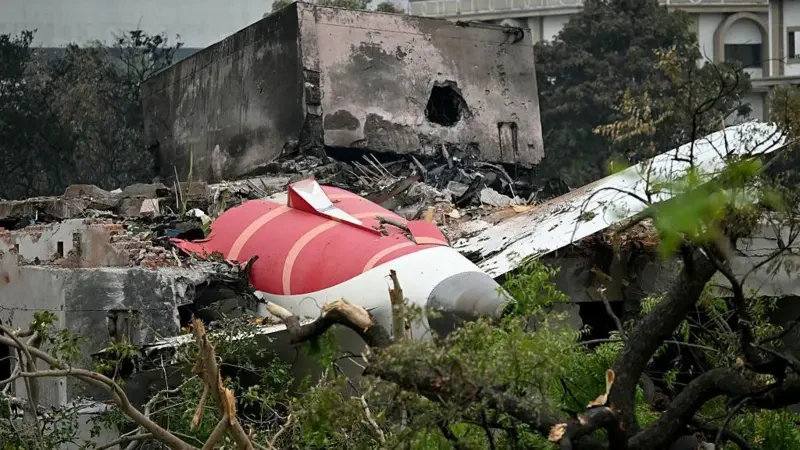
Following the Air India Flight 171 crash on June 12, 2025, the U.S. Federal Aviation Administration (FAA) and Boeing have privately affirmed the safety of fuel cutoff switch locks on Boeing aircraft. This comes amidst an ongoing investigation into the crash, which a preliminary report indicated was caused by both engine fuel switches flipping to “cutoff” shortly after takeoff.
While India’s Aircraft Accident Investigation Bureau (AAIB) preliminary report referenced a 2018 FAA advisory about potential disengagement of the fuel control switch locking mechanism, the FAA has stated that it does not consider this issue an “unsafe condition” requiring an airworthiness directive. Boeing has also reiterated the FAA’s stance in messages to airlines, and has not recommended any additional action in response to the incident.
Despite the FAA’s position, India’s Directorate General of Civil Aviation (DGCA) ordered airlines operating Boeing 787 Dreamliners and select Boeing 737 variants to inspect fuel control switches. Air India has since completed these precautionary inspections on all its Boeing 787 and 737 aircraft, including those of Air India Express, and reported finding no issues with the locking mechanisms.
The investigation into the Air India Flight 171 crash is ongoing, with the AAIB’s preliminary report outlining initial findings but not assigning blame. Cockpit voice recordings reportedly captured a moment of confusion between the pilots, with one asking the other why the fuel was cut off, and the other denying having done so. This has led to speculation about pilot error, though pilot associations and the NTSB have cautioned against premature conclusions, emphasizing that full investigations take time to determine root causes.


See less