Sign In Sign In

Continue with Google
or use

Forgot Password?

Don't have account, Sign Up Here

Forgot Password Forgot Password

Lost your password? Please enter your email address. You will receive a link and will create a new password via email.

Have an account? Sign In Now

Sorry, you do not have permission to ask a question, You must login to ask a question.

Continue with Google
or use

Forgot Password?

Need An Account, Sign Up Here

Please briefly explain why you feel this question should be reported.

Please briefly explain why you feel this answer should be reported.

Please briefly explain why you feel this user should be reported.

Sign InSign Up

Nuq4

Nuq4 Logo Nuq4 Logo
Search
Ask A Question

Mobile menu

Close
Ask a Question
  • Nuq4 Shop
  • Become a Member

Politics

Share
  • Facebook
0 Followers
4 Answers
193 Questions
  • Recent Questions
  • Most Answered
  • No Answers
  • Most Visited
  • Most Voted

Nuq4 Latest Questions

  • 0
Ali1234Researcher
In: Crypto Coin, Mango, Pakistan

What wonders did Pakistan's 'mango' show?

  • 0
  • 0 Answers
Answer
  • 0
Ali1234Researcher
In: Government

In Lahore, the government has started a project to issue stickers after checking the smoke emitted by vehicles. Why was this needed and what do you need to know about it?

  • 0
  1. Ali1234 Researcher
    Added an answer on July 23, 2025 at 12:00 am

    The project in Lahore to issue stickers after checking vehicle emissions is a crucial step taken by the government to combat the severe air pollution, particularly smog, that plagues the city. Lahore consistently ranks among the most polluted cities globally, and vehicular emissions are a major contRead more

    The project in Lahore to issue stickers after checking vehicle emissions is a crucial step taken by the government to combat the severe air pollution, particularly smog, that plagues the city. Lahore consistently ranks among the most polluted cities globally, and vehicular emissions are a major contributor to this alarming situation.


    Why was this project needed?


    1. Severe Air Pollution (Smog): Lahore experiences extremely high levels of smog, especially during the winter months. This thick, toxic haze significantly reduces visibility and poses severe health risks. Vehicular emissions, including carbon monoxide, nitrogen oxides, and particulate matter (PM2.5), are a primary source of this smog.
    2. Public Health Crisis: Air pollution leads to a rise in respiratory illnesses, heart diseases, lung cancer, and other health complications among the city’s residents. This project aims to mitigate these health hazards by reducing harmful emissions.
    3. Environmental Protection: It aligns with broader environmental protection goals to improve the city’s overall air quality and contribute to a healthier urban environment.
    4. Poorly Maintained and Old Vehicles: Many vehicles, particularly older ones or those that are not regularly maintained, emit excessive smoke. The project targets these vehicles to ensure they either undergo necessary repairs or are restricted from polluting the air.
    5. Regulatory Compliance: The government is under pressure to implement effective measures to control air pollution. This initiative is a practical step towards fulfilling those regulatory requirements. Studies indicate that transportation contributes a staggering 83.15% of the total pollution in Punjab.


    What do you need to know about this project?


    1. Objective: The primary goal is to control the amount of pollutants released from vehicle exhausts, thereby improving Lahore’s air quality.
    2. Testing Process:
      • Vehicles will be brought to designated testing centers or roadside checkpoints.
      • Specialized equipment, such as smoke meters, will measure the level of pollutants in the exhaust.
      • If a vehicle’s emissions meet the government-defined standards (National Environmental Quality Standards – NEQS, specifically targeting Euro-II emission standards), it will be issued a Green Sticker (often with a QR code) on its windshield.
      • If a vehicle fails the test, emitting excessive pollutants, it may receive a Red Sticker or be given a grace period (e.g., 7 days) to undergo necessary maintenance or tuning.
    3. Sticker Significance:
      • Green Sticker: Indicates compliance with emission standards and allows the vehicle to operate freely on the roads.
      • Red Sticker (or failure to have a sticker after the deadline): Signifies non-compliance. Vehicles without a green sticker or those that fail the test after the grace period may face fines (e.g., PKR 2,000 for the first offense, PKR 5,000 for the second) and could potentially be banned from the roads.
    4. Implementation: The project is being implemented in phases across Lahore, with plans for expansion across Punjab. The Environment Protection Department (EPA) Punjab, in collaboration with traffic police, is responsible for its enforcement.
    5. Vehicle Owner’s Responsibility: Vehicle owners are expected to ensure their vehicles are well-maintained and meet the emission standards. This often involves regular tuning, checking the catalytic converter, and addressing any engine issues.
    6. Testing Locations and Cost:
      • Numerous emission testing booths have been established at strategic points across Lahore (e.g., Mall Road, Lake City, DHA, Gulberg, Johar Town, etc.).
      • Initially, the government offered free emissions testing to encourage public participation. However, a fee structure is expected to be implemented in the future.
    7. Affected Vehicles: The project targets all types of vehicles, including cars, motorcycles, rickshaws, buses, and trucks, as smaller vehicles and bikes collectively contribute a significant volume of pollutants due to their sheer numbers.
    8. Benefits:
      • Cleaner air in the city, leading to improved public health.
      • Potential for fuel efficiency as well-tuned engines often consume less fuel.
      • Enhanced international reputation for Lahore in terms of environmental responsibility.
      • A structured approach to identify and address high-polluting vehicles.

    This project is a critical initiative in Lahore’s fight against air pollution. Its success will largely depend on sustained enforcement by the authorities and active cooperation from vehicle owners.

     
    See less
    • 0
    • Share
      Share
      • Share onFacebook
      • Share on Twitter
      • Share on LinkedIn
      • Share on WhatsApp
  • 1 Answer
Answer
  • 0
Ali1234Researcher
In: Government, Pakistan

Pakistan How much is the expected increase in the salaries of government employees?

  • 0
  1. Ali1234 Researcher
    Added an answer on June 10, 2025 at 3:53 am

    As of June 10, 2025, the Pakistani federal government is expected to unveil the Budget 2025-26 today, and proposals for salary increases for government employees are a key part of it. Here's a summary of the expected increases and proposals: * General Salary and Pension Increase: A 10% increase in sRead more

    As of June 10, 2025, the Pakistani federal government is expected to unveil the Budget 2025-26 today, and proposals for salary increases for government employees are a key part of it.
    Here’s a summary of the expected increases and proposals:
    * General Salary and Pension Increase: A 10% increase in salaries and pensions for government employees is widely proposed.
    * Disparity Allowance: A 30% disparity allowance has been proposed for employees in Grades 1-16, with the possibility of it being integrated into their basic pay.
    * Higher Grades: A 15% pay raise has been suggested for employees in Grades 17-22.
    * Ad-hoc Relief Allowance Merger: Authorities are also considering merging the 2022 ad hoc relief allowance into basic pay, which would result in a permanent increase and impact future raises and pension calculations.
    * Minimum Wage: The minimum wage is also expected to be increased.
    * Other Proposals: Some proposals also include a 15% increase in disparity allowance for Grades 1-16, applicable to Grades 17-22. There have also been demands for a 50% increase in salaries and a 100% increase in pensions by the Pakistan Peoples Party (PPP).
    It’s important to note that these are proposals and the final decisions will be made during the federal cabinet meeting and announced as part of the official budget for the fiscal year 2025-26.
    See less
    • 0
    • Share
      Share
      • Share onFacebook
      • Share on Twitter
      • Share on LinkedIn
      • Share on WhatsApp
  • 1 Answer
Answer
  • 0
Ali1234Researcher
In: Pakistan, Vote

Pakistan ma In what month do we vote for President?*

  • 0
  1. Ali1234 Researcher
    Added an answer on June 28, 2025 at 12:45 pm

    In Pakistan, the election for President is typically held within 30 days of the general elections for the National Assembly and Provincial Assemblies. The most recent presidential election was held on March 9, 2024, following the general elections on February 8, 2024.

    In Pakistan, the election for President is typically held within 30 days of the general elections for the National Assembly and Provincial Assemblies.
    The most recent presidential election was held on March 9, 2024, following the general elections on February 8, 2024.

    See less
    • 0
    • Share
      Share
      • Share onFacebook
      • Share on Twitter
      • Share on LinkedIn
      • Share on WhatsApp
  • 1 Answer
Answer
  • 0
Ali1234Researcher
In: Pakistan

Pakistan ma Decision to remove PTV fee from electricity bills

  • 0
  1. Ali1234 Researcher
    Added an answer on June 28, 2025 at 12:58 pm

    Prime Minister Shehbaz Sharif has recently decided to abolish the Rs35 PTV fee that is currently charged to domestic and industrial electricity consumers through their electricity bills in Pakistan. This decision comes as part of the government's efforts to provide relief to the public and eliminateRead more

    Prime Minister Shehbaz Sharif has recently decided to abolish the Rs35 PTV fee that is currently charged to domestic and industrial electricity consumers through their electricity bills in Pakistan.
    This decision comes as part of the government’s efforts to provide relief to the public and eliminate unnecessary surcharges. The PTV fee has been collected for decades, generating approximately Rs1.5 billion monthly from around 42.6 million consumers.
    While the decision has been made, an official announcement from the federal government is expected soon, and details regarding the implementation timeline are likely to be announced in the coming days. This move signifies a potential shift in how Pakistan Television Corporation (PTV) will be financed in the future.

    See less
    • 0
    • Share
      Share
      • Share onFacebook
      • Share on Twitter
      • Share on LinkedIn
      • Share on WhatsApp
  • 1 Answer
Answer
  • 0
Ali1234Researcher
In: Pakistan

pakistan What kind of person does Mehwish Hayat want to marry?

  • 0
  • 0 Answers
Answer
  • 0
Ali1234Researcher
In: Countries, Pakistan

Pakistani Mangoes: Why does Pakistan send mangoes as gifts to other countries?

  • 0
  1. Ali1234 Researcher
    Added an answer on July 22, 2025 at 7:29 am

    Pakistan uses mangoes as diplomatic gifts to other countries for several reasons, often referred to as "mango diplomacy": * Strengthening Diplomatic Relationships: Gifting mangoes is a gesture of goodwill and friendship, aimed at fostering stronger diplomatic ties with friendly nations. It's a way tRead more

    Pakistan uses mangoes as diplomatic gifts to other countries for several reasons, often referred to as “mango diplomacy”:
    * Strengthening Diplomatic Relationships: Gifting mangoes is a gesture of goodwill and friendship, aimed at fostering stronger diplomatic ties with friendly nations. It’s a way to express warmth and hospitality.
    * Promoting Trade and Exports: A key objective is to introduce Pakistani mangoes to new international markets and boost the country’s horticulture exports. By showcasing the high quality and unique varieties of Pakistani mangoes, they hope to increase demand and open up new avenues for trade.
    * Cultural Significance: Mangoes, often called the “King of Fruits” in Pakistan, hold deep cultural significance. They are a symbol of joy, abundance, and heritage. Sharing mangoes is a traditional way to express generosity and strengthen social bonds within Pakistan, and this cultural practice extends to international relations.
    * Showcasing Agricultural Excellence: Pakistan is a major producer of mangoes, known for its diverse and delicious varieties like Sindhri and Chaunsa. Gifting them allows Pakistan to highlight its agricultural prowess and the unique taste and aroma of its prized fruit.
    * Low Cost and Desirability: Mangoes are a relatively low-cost item, which makes them a practical and appealing diplomatic gift, avoiding concerns about bribery or extravagant presents. Their desirability also ensures they are well-received.
    * Seasonality: The annual mango harvest promotes regular, annual gifting, which helps maintain consistent diplomatic engagement.
    This “mango diplomacy” has a long history, with instances such as Pakistan gifting mangoes to Chairman Mao Zedong in China during the Cultural Revolution. It’s a sweet and effective way for Pakistan to engage with the world.

    See less
    • 0
    • Share
      Share
      • Share onFacebook
      • Share on Twitter
      • Share on LinkedIn
      • Share on WhatsApp
  • 1 Answer
Answer
  • 0
Ali1234Researcher
In: Russia, Ukraine, War

How likely is it that the Russia-Ukraine conflict will turn into a world war?

  • 0
  1. Ali1234 Researcher
    Added an answer on July 21, 2025 at 3:39 am

    The likelihood of the Russia-Ukraine conflict escalating into a full-scale world war remains a significant concern, but it's generally considered to be a low-probability, high-impact event. Experts continuously analyze various factors that could lead to escalation, but also the strong deterrents agaRead more

    The likelihood of the Russia-Ukraine conflict escalating into a full-scale world war remains a significant concern, but it’s generally considered to be a low-probability, high-impact event. Experts continuously analyze various factors that could lead to escalation, but also the strong deterrents against it.

    Here’s a breakdown of the current assessment:

    Factors that could increase the risk of escalation:

    • Direct NATO-Russia Confrontation: The most immediate trigger for a wider conflict would be a direct military engagement between NATO forces and Russia. This could happen through:
      • Accidental incidents: Miscalculation, equipment malfunction, or aggressive maneuvers (e.g., in air or sea) leading to unintended casualties or damage to military assets of the opposing side.
      • Deliberate, but limited, strikes: Russia or a NATO member intentionally striking targets in the other’s territory, perhaps in retaliation for perceived provocations or attacks.
      • Misperceptions of intent: One side misinterpreting the other’s defensive or deterrent actions as offensive preparations, leading to a pre-emptive strike.
    • Expansion of War Zone: If the conflict spills significantly beyond Ukraine’s borders into a NATO member state, it would trigger Article 5 of the NATO treaty, obligating all members to come to the defense of the attacked nation.
    • Use of Non-Conventional Weapons: While highly unlikely and widely condemned, the use of chemical, biological, or tactical nuclear weapons by Russia would dramatically raise the stakes and could provoke a severe international response.
    • Internal Instability in Russia: Significant internal upheaval in Russia could lead to unpredictable decisions from the leadership, potentially escalating external conflicts to consolidate power or distract from domestic issues.
    • Loss of Control or Strategic Miscalculation: As the war drags on, fatigue, frustration, or desperation could lead to decisions that increase the risk of unintended escalation.
    • Ukrainian Cross-border Offensives: While Ukraine has conducted some cross-border operations, a significant, sustained incursion into Russian territory could be seen as a major escalation by Moscow.
    • Decreased Western Aid to Ukraine: If Western support significantly dwindles, Russia might be emboldened to press its advantage more aggressively, potentially leading to more desperate measures by Ukraine.

    Factors that mitigate the risk of a world war:

    • Mutual Deterrence (Nuclear Weapons): The existence of nuclear arsenals held by both Russia and NATO members acts as the ultimate deterrent. Neither side wants to risk a nuclear exchange, which would have catastrophic consequences for all involved.
    • Avoidance of Direct Conflict by NATO: NATO countries have consistently stated they will not put “boots on the ground” in Ukraine to avoid a direct military confrontation with Russia. While they provide significant military and financial aid, they are careful to maintain this distinction.
    • Maintaining Communication Channels: Despite high tensions, some diplomatic and military communication channels between Russia and the West remain open to prevent miscalculation and manage potential crises.
    • Focus on De-escalation by Major Powers: While supporting Ukraine, major global powers are also working to prevent a wider conflict, emphasizing de-escalation and diplomatic solutions where possible.
    • Economic Consequences: A world war would have devastating global economic consequences, which acts as a strong disincentive for all parties.
    • Russia’s Limited Capabilities: While Russia possesses significant military power, its performance in Ukraine has revealed limitations. A direct war with NATO would be a far greater challenge, and Russia’s leadership is likely aware of the immense costs.

    Current Expert Assessment:

    Many analysts believe that a direct, deliberate escalation into a world war is unlikely due to the overwhelming deterrent of nuclear weapons and the clear desire by most major powers to avoid such a scenario. However, the risk of inadvertent escalation due to miscalculation, an accident, or a tit-for-tat escalation spiral remains a serious concern. The conflict’s ongoing nature means that vigilance and careful diplomatic and military communication are crucial to prevent it from spiraling out of control.

    Ukrainian President Zelenskyy has repeatedly warned that the conflict could escalate into a world war if Kyiv and its partners do not stand firm, highlighting the global implications of Russia’s actions. However, the international community’s response has largely focused on supporting Ukraine while carefully avoiding direct military engagement that could trigger a wider war.

    See less
    • 0
    • Share
      Share
      • Share onFacebook
      • Share on Twitter
      • Share on LinkedIn
      • Share on WhatsApp
  • 1 Answer
Answer
  • 0
Ali1234Researcher
In: Pakistan

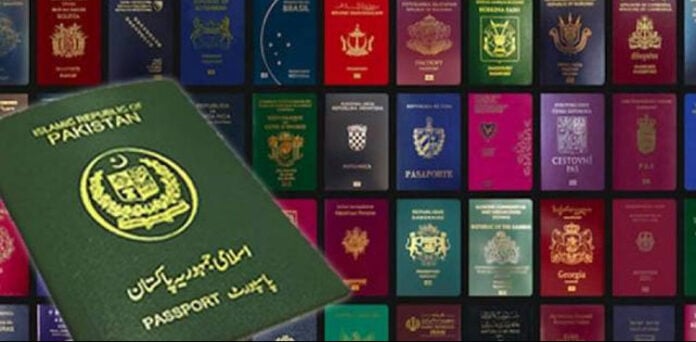
The list of the world's most powerful passports has been released, what is Pakistan's number?

  • 0
  1. Ali1234 Researcher
    Added an answer on July 23, 2025 at 8:12 am

    According to the latest Henley Passport Index 2025, Pakistan's passport is ranked 100th globally. This is an improvement from its previous rankings and grants visa-free or visa-on-arrival access to 32 countries. 

    According to the latest Henley Passport Index 2025, Pakistan’s passport is ranked 100th globally. This is an improvement from its previous rankings and grants visa-free or visa-on-arrival access to 32 countries.  طاقتور ترین پاسپورٹ

    See less
    • 0
    • Share
      Share
      • Share onFacebook
      • Share on Twitter
      • Share on LinkedIn
      • Share on WhatsApp
  • 1 Answer
Answer
  • 0
Ali1234Researcher
In: Climate change, Pakistan

How does climate change affect children's education in Pakistan?

  • 0
  1. Ali1234 Researcher
    Added an answer on June 19, 2025 at 3:46 am

    Climate change profoundly affects children's education in Pakistan, exacerbating an already existing education crisis. Pakistan is one of the countries most vulnerable to climate change, and its limited resources for adaptation make the impact on education even more severe. Here's how climate changeRead more

    Climate change profoundly affects children’s education in Pakistan, exacerbating an already existing education crisis. Pakistan is one of the countries most vulnerable to climate change, and its limited resources for adaptation make the impact on education even more severe.

    Here’s how climate change impacts children’s education in Pakistan:

    1. School Closures and Lost Learning Days:

    • Extreme Weather Events: Searing heatwaves, toxic smog, and unusual cold snaps frequently lead to school closures. This is a common occurrence across the country, including populous provinces like Punjab. For example, Lahore has experienced weeks of closures due to air pollution and heat in recent academic years.
    • Health Risks: Authorities often close schools to protect children from the health risks associated with extreme weather, as many classrooms are overcrowded and lack basic cooling, heating, or ventilation systems. Students suffer from heat-related illnesses, respiratory issues due to smog, and general discomfort that hinders their ability to learn.
    • Disrupted Academic Calendars: These frequent closures disrupt the academic calendar, making it difficult for students to complete their curriculum and for schools to maintain consistent learning. This leads to significant learning losses.

    2. Damage to School Infrastructure:

    • Flooding: Catastrophic floods, like those in 2022, have destroyed or severely damaged tens of thousands of schools across Pakistan. In Sindh province alone, nearly 20,000 schools were damaged or destroyed, disrupting learning for millions of children.
    • Lack of Rebuilding: Many of these damaged schools are not being rebuilt quickly due to a lack of funding, leaving millions of children without adequate classrooms. Children are forced to learn outdoors, unprotected from the elements, or in temporary, ill-equipped learning centers.
    • Safety Concerns: Damaged school buildings can be unsafe, preventing children from returning even if they are willing.

    3. Reduced Attendance and Increased Dropouts:

    • Parental Concerns: Parents are often reluctant to send their children to school during extreme weather conditions due to health concerns or the risk of travel. This leads to significant drops in daily attendance.
    • Displacement: Climate-induced disasters like floods displace entire communities, forcing families to move and disrupting children’s access to their regular schools.
    • Economic Hardship and Child Labor: Climate change exacerbates poverty, particularly in agrarian communities where crops are destroyed by floods or droughts. This economic pressure forces families to rely on their children’s income, leading to an increase in child labor. Children are pulled out of school to work, perpetuating a cycle of poverty and lack of education. Studies after the 2010 floods showed a rise in child labor, and similar trends are expected after the 2022 floods.

    4. Impact on Learning Outcomes:

    • Cognitive Challenges: Prolonged exposure to extreme heat and smog can have major cognitive impacts on students, affecting their ability to concentrate and learn.
    • Curriculum Gaps: Lost learning days and inconsistent schooling mean that children fall behind academically, making it harder for them to catch up. This further widens the existing education gap in Pakistan, where a significant percentage of children are already out of school or unable to read age-appropriate material.
    • Psychosocial Stress: Children affected by climate disasters experience psychosocial stress, which can also negatively impact their learning and overall well-being.

    5. Strain on an Already Fragile Education System:

    • Pakistan already faces a significant education crisis, with over 26 million school-age children out of school, one of the highest numbers globally. Climate change compounds these existing challenges, placing further strain on an inadequately prepared education system.
    • Lack of Climate Resilient Infrastructure: Many existing schools are not built to withstand extreme weather, and there’s a slow pace in constructing climate-resilient schools.
    • Need for Policy and Adaptation: There’s a growing call for a radical rethink of learning schedules, exam timetables, and vacations to adapt to changing climate patterns. There’s also a recognized need to integrate climate change education into the national curriculum to equip children with the knowledge and skills to address future climate challenges.

    In essence, climate change in Pakistan is creating a vicious cycle where environmental disasters disrupt education, leading to learning losses, increased child labor, and further entrenching poverty, making it harder for children to break free from these challenges in the long run.

    See less
    • 0
    • Share
      Share
      • Share onFacebook
      • Share on Twitter
      • Share on LinkedIn
      • Share on WhatsApp
  • 1 Answer
Answer

Sidebar

[the_ad_group id="2732"]

[the_ad id="17089"]

Explore

  • Nuq4 Shop
  • Become a Member

Footer

Get answers to all your questions, big or small, on Nuq4.com. Our database is constantly growing, so you can always find the information you need.

Download Android App

© Copyright 2024, Nuq4.com

Legal

Terms and Conditions
Privacy Policy
Cookie Policy
DMCA Policy
Payment Rules
Refund Policy
Nuq4 Giveaway Terms and Conditions

Contact

Contact Us
Chat on Telegram
We use cookies to ensure that we give you the best experience on our website. If you continue to use this site we will assume that you are happy with it.