Sign In Sign In

Continue with Google
or use

Forgot Password?

Don't have account, Sign Up Here

Forgot Password Forgot Password

Lost your password? Please enter your email address. You will receive a link and will create a new password via email.

Have an account? Sign In Now

Sorry, you do not have permission to ask a question, You must login to ask a question.

Continue with Google
or use

Forgot Password?

Need An Account, Sign Up Here

Please briefly explain why you feel this question should be reported.

Please briefly explain why you feel this answer should be reported.

Please briefly explain why you feel this user should be reported.

Sign InSign Up

Nuq4

Nuq4 Logo Nuq4 Logo
Search
Ask A Question

Mobile menu

Close
Ask a Question
  • Nuq4 Shop
  • Become a Member

Politics

Share
  • Facebook
0 Followers
4 Answers
193 Questions
  • Recent Questions
  • Most Answered
  • No Answers
  • Most Visited
  • Most Voted

Nuq4 Latest Questions

  • 0
Ali1234Researcher
In: India, Pakistan

ICC Women's World Cup schedule released, when will Pakistan and India compete?

  • 0
  1. Ali1234 Researcher
    Added an answer on June 16, 2025 at 3:48 am

    The ICC Women's World Cup 2025 schedule has been released, and the highly anticipated match between India and Pakistan is set to take place on Sunday, October 5, 2025. Due to the agreement between India and Pakistan regarding ICC events, Pakistan will play all their matches at a neutral venue, whichRead more

    The ICC Women’s World Cup 2025 schedule has been released, and the highly anticipated match between India and Pakistan is set to take place on Sunday, October 5, 2025.

    Due to the agreement between India and Pakistan regarding ICC events, Pakistan will play all their matches at a neutral venue, which for this tournament is Colombo, Sri Lanka. Therefore, the India vs. Pakistan clash will be held at the R. Premadasa Stadium in Colombo.

    See less
    • 0
    • Share
      Share
      • Share onFacebook
      • Share on Twitter
      • Share on LinkedIn
      • Share on WhatsApp
  • 1 Answer
Answer
  • 0
Ali1234Researcher
In: Pakistan

Why is an increase in the defense budget inevitable for Pakistan?

  • 0
  1. Ali1234 Researcher
    Added an answer on June 10, 2025 at 4:43 am

    An increase in Pakistan's defense budget is often considered inevitable due to a complex interplay of internal and external factors: 1. Perceived Threat from India: * Historical Context: Pakistan and India have a long history of adversarial relations, including multiple wars and frequent border clasRead more

    An increase in Pakistan’s defense budget is often considered inevitable due to a complex interplay of internal and external factors:
    1. Perceived Threat from India:
    * Historical Context: Pakistan and India have a long history of adversarial relations, including multiple wars and frequent border clashes. This historical animosity fosters a deep-seated “security threat” perception in Pakistan’s defense planning.
    * Arms Race: The ongoing arms race with India necessitates Pakistan to continually modernize and upgrade its military capabilities to maintain a deterrent posture.
    * Recent Tensions: Recent escalations in tensions, such as border incidents and alleged terror attacks, often lead to calls for increased defense spending to enhance preparedness and national security.
    2. Internal Security Challenges:
    * Terrorism and Insurgency: Pakistan faces significant internal threats from various militant and terrorist groups, particularly in regions like Balochistan and Khyber Pakhtunkhwa. Combating these threats requires substantial resources for counter-terrorism operations, intelligence gathering, and maintaining law and order.
    * Sectarian Violence: Societal violence and sectarianism also contribute to the need for a strong internal security apparatus.
    3. Geopolitical Environment and Strategic Alliances:
    * Regional Instability: Pakistan’s location in a volatile region, bordering Afghanistan and Iran, adds to its security concerns. Regional instability and the presence of various non-state actors necessitate a robust defense.
    * Strategic Alliances: While foreign military aid has historically helped Pakistan’s defense capabilities, it also influences its spending decisions and procurement needs.
    4. Maintaining Deterrence:
    * Nuclear Program: Pakistan’s nuclear program is a key component of its deterrence strategy against India. Maintaining and modernizing this program requires consistent financial investment.
    * Conventional Forces: Beyond nuclear deterrence, Pakistan aims to maintain a credible conventional force to respond to various threats and ensure territorial integrity.
    5. Domestic Political Dynamics:
    * Influence of the Military: The military has historically played a significant role in Pakistan’s political landscape, and its influence often ensures that defense allocations remain a priority in national budgets.
    * National Security Imperative: Political parties often find broad support for increasing defense spending, especially during times of heightened security threats, as it is framed as a matter of national survival and sovereignty.
    6. Indigenous Defense Industry and Modernization:
    * Self-Reliance: There is an ongoing effort to develop an indigenous defense industry to reduce reliance on foreign imports and enhance self-sufficiency in military hardware. This requires investment in research, development, and manufacturing capabilities.
    * Technological Advancement: Keeping pace with technological advancements in warfare necessitates continuous investment in new weapons systems, surveillance, and defense technologies.
    While Pakistan’s economy often struggles with debt and fiscal deficits, the perception of an existential threat and the need for national security often override economic constraints, making an increase in the defense budget an almost unavoidable aspect of its national policy.

    See less
    • 0
    • Share
      Share
      • Share onFacebook
      • Share on Twitter
      • Share on LinkedIn
      • Share on WhatsApp
  • 1 Answer
Answer
  • 0
Ali1234Researcher
In: Pakistan, Sugar

Pakistan ma Why does a dispute arise over the export and then import of sugar?

  • 0
  • 0 Answers
Answer
  • 0
Ali1234Researcher
In: Constitution

What does the Constitution do?

  • 0
  1. Ali1234 Researcher
    Added an answer on June 28, 2025 at 11:54 am

    A constitution is a fundamental document that establishes the framework for a government and defines the rights and duties of its citizens. Here's a breakdown of what it generally does: * **Establishes the structure of government: It outlines the different branches of government (e.g., legislative,Read more

    A constitution is a fundamental document that establishes the framework for a government and defines the rights and duties of its citizens. Here’s a breakdown of what it generally does:
    * **Establishes the structure of government: It outlines the different branches of government (e.g., legislative, executive, judicial) and their respective powers and responsibilities. It also defines how power is distributed among these branches and between national and state/local levels of government.
    * Defines the powers and limits of government: A constitution sets out what the government can and cannot do, preventing it from becoming too powerful or infringing on the rights of its citizens. It often includes mechanisms for accountability to the people.
    * Guarantees rights and freedoms: Most constitutions include a declaration of fundamental rights that individuals are entitled to, such as freedom of speech, religion, and the right to a fair trial. These rights act as a check on government power.
    * Provides for the rule of law: It establishes that everyone, including those in power, is subject to the law. This ensures procedural predictability and limits arbitrary power.
    * Outlines the amendment process: Constitutions generally include a process for how they can be changed or amended. This makes them more difficult to alter than ordinary laws, reflecting their fundamental nature.
    * Declares fundamental principles: Constitutions often begin with a preamble or statement of purpose that sets out the core values and aspirations of the state or society it governs.
    In essence, a constitution acts as a social contract between those in power and the governed, providing a stable and predictable framework for how a country is run and safeguarding the rights of its people.

    See less
    • 0
    • Share
      Share
      • Share onFacebook
      • Share on Twitter
      • Share on LinkedIn
      • Share on WhatsApp
  • 1 Answer
Answer
  • 0
Ali1234Researcher
In: Pakistan, Sugar

How many sugar mills are there in Pakistan and who are their owners?

  • 0
  1. Ali1234 Researcher
    Added an answer on July 8, 2025 at 7:39 am

    According to the Trade Development Authority of Pakistan (TDAP) and other sources, there are approximately 89 functional sugar mills in Pakistan as of recent data. Of these: * 45 are in Punjab * 37 in Sindh * 7 in Khyber Pakhtunkhwa (KPK) It's challenging to provide a complete, exhaustive list of evRead more

    According to the Trade Development Authority of Pakistan (TDAP) and other sources, there are approximately 89 functional sugar mills in Pakistan as of recent data. Of these:
    * 45 are in Punjab
    * 37 in Sindh
    * 7 in Khyber Pakhtunkhwa (KPK)
    It’s challenging to provide a complete, exhaustive list of every single sugar mill and their current owners due to the dynamic nature of business ownership and the large number of individual mills. However, some of the prominent sugar groups and their associated mills, along with some individual large mills, include:
    Major Sugar Groups/Companies and some of their associated mills:
    * JDW Group: JDW Sugar Mills Ltd. (a major player with significant crushing capacity).
    * Almoiz Group: Al-Moiz Industries Ltd., Al-Moiz Sugar Mills Ltd.
    * Sharif Group of Companies: Ramzan Sugar Mills.
    * RYK Group: Rahim Yar Khan Sugar Mills Ltd.
    * Tandlianwala Sugar Mills Ltd. (TSML Group): Tandlianwala-I Sugar Mills Ltd., Tandlianwala-II Sugar Mills Ltd.
    * Al-Noor Group: Al-Noor Sugar Mills Ltd.
    * Fatima Group: Fatima Sugar Mills Ltd.
    * Premier Group: Premier Sugar Mills Ltd., Chashma Sugar Mills Ltd. (Units I & II).
    * Habib Group: Habib Sugar Mills Ltd.
    * The Thal Industries Corporation Ltd.: (Operates mills like Layyah and Safina).
    Other notable mills mentioned in various sources include:
    * Adam Sugar Mills Ltd.
    * Al-Abbas Sugar Mills Ltd.
    * Alliance Sugar Mills Ltd.
    * Army Welfare Sugar Mills Ltd.
    * Ashraf Sugar Mills Ltd.
    * Baba Farid Sugar Mills.
    * Bannu Sugar Mills Ltd.
    * Chanar Sugar Mills Ltd.
    * Chaudhry Sugar Mills Ltd.
    * Deharki Sugar Mills (Pvt) Ltd.
    * Digri Sugar Mills Ltd.
    * Etihad Sugar Mills Ltd.
    * Faran Sugar Mills Ltd.
    * Hunza Sugar Mills (Pvt) Limited.
    * Husein Sugar Mills Ltd.
    * Indus Sugar Mills Ltd.
    * Ittefaq Sugar Mills Ltd.
    * Jauharabad Sugar Mills Ltd.
    * JK Sugar Mill.
    * Kashmir Sugar Mills Ltd.
    * Khairpur Sugar Mills Ltd.
    * Khazana Sugar Mills (Pvt) Ltd.
    * Madina Sugar Mills Pvt. Ltd.
    * Macca Sugar Mills (Pvt) Limited.
    * Noon Sugar Mills Ltd.
    * Popular Sugar Mills Ltd.
    * Rasool Nawaz Sugar Mills (Pvt) Ltd.
    * Seven Star Sugar Mills.
    * Shahtaj Sugar Mills Ltd.
    * Sheikhhoo Sugar Mills Ltd.
    * Shakarganj Mills Ltd.
    * Tariq Corporation Limited.
    It is important to note that ownership can be complex, with some mills being publicly listed companies, others privately owned, and some belonging to larger industrial groups. For the most up-to-date and specific ownership information, one would typically need to consult company financial reports, Pakistan Stock Exchange listings (for publicly traded companies), or the Pakistan Sugar Mills Association (PSMA).

    See less
    • 0
    • Share
      Share
      • Share onFacebook
      • Share on Twitter
      • Share on LinkedIn
      • Share on WhatsApp
  • 1 Answer
Answer
  • 0
Ali1234Researcher
In: Pakistan, TikTok

Pakistan Are famous TikTok duo Aiman ​​and Mujtaba parting ways?

  • 0
  • 0 Answers
Answer
  • 0
Ali1234Researcher
In: Cricket, Pakistan

New Test cricket division: Which group will Pakistan be in?

  • 0
  1. Ali1234 Researcher
    Added an answer on July 22, 2025 at 1:33 pm

    The International Cricket Council (ICC) is actively exploring a two-tier Test cricket system, which, if implemented, would likely begin with the 2027-2029 World Test Championship (WTC) cycle. According to recent reports, Pakistan is likely to be placed in the second division of this proposed two-tieRead more

    The International Cricket Council (ICC) is actively exploring a two-tier Test cricket system, which, if implemented, would likely begin with the 2027-2029 World Test Championship (WTC) cycle.
    According to recent reports, Pakistan is likely to be placed in the second division of this proposed two-tier system.
    Here’s a breakdown of the proposed structure:
    * Two Divisions: The system would feature two divisions, each consisting of six teams.
    * First Division (Likely teams): South Africa, Australia, India, England, New Zealand, and Sri Lanka. These are generally considered the top-ranked sides.
    * Second Division (Likely teams): Pakistan, Bangladesh, West Indies, Afghanistan, Zimbabwe, and Ireland. The latter three (Afghanistan, Zimbabwe, and Ireland) are expected to be added to the expanded WTC format if this proposal goes through.
    This proposal is currently being reviewed by an eight-member working group formed by the ICC, with recommendations expected by the end of 2025. If approved, it would mark a significant change in Test cricket’s structure, including a promotion and relegation mechanism between the divisions.

    See less
    • 0
    • Share
      Share
      • Share onFacebook
      • Share on Twitter
      • Share on LinkedIn
      • Share on WhatsApp
  • 1 Answer
Answer
  • 0
Ali1234Researcher
In: Crypto Coin, Pakistan

Are solar panels going to become expensive in Pakistan?

  • 0
  1. Ali1234 Researcher
    Added an answer on June 11, 2025 at 5:17 pm

    It's a complex situation with conflicting factors influencing solar panel prices in Pakistan. Here's a breakdown: Factors that could make solar panels more expensive in Pakistan: * Proposed 18% Sales Tax on Imported Solar Panels: The most significant recent development is the Pakistani government'sRead more

    It’s a complex situation with conflicting factors influencing solar panel prices in Pakistan. Here’s a breakdown:
    Factors that could make solar panels more expensive in Pakistan:
    * Proposed 18% Sales Tax on Imported Solar Panels: The most significant recent development is the Pakistani government’s proposal in the Budget 2025-26 to impose an 18% sales tax on imported solar panels. This is explicitly aimed at promoting local industry, but it will directly increase the cost for consumers in the short term, as Pakistan heavily relies on imported panels.
    * Changes in Net Metering Policy: The government has revised net metering regulations, reducing the rate at which it buys back excess solar power from consumers (from Rs 27 to Rs 10 per unit). Additionally, the allowed solar capacity for consumers has been reduced. While this doesn’t directly increase panel cost, it reduces the financial incentive and payback period for solar installations, potentially making them less attractive and thus, in a broader sense, “more expensive” in terms of return on investment.
    * Economic Factors: General economic instability, currency fluctuations, and inflation in Pakistan can impact the cost of imported goods, including solar panels and associated equipment.
    Factors that could keep solar panel prices stable or even lead to decreases:
    * Global Price Trends: Globally, solar panel manufacturing has seen significant advancements and economies of scale, leading to a general downward trend in panel prices over the long term. Pakistan has greatly benefited from this, with a “sharp fall in solar panel prices” contributing to the recent solar boom.
    * Increased Local Manufacturing: The proposed 18% tax on imported panels is intended to boost local manufacturing. If local production scales up and becomes competitive, it could eventually lead to more stable or even lower prices domestically as reliance on imports decreases.
    * High Demand and Adoption: Pakistan is experiencing a “solar boom” with rapidly increasing adoption rates, driven by high conventional electricity prices. This high demand could encourage competition among suppliers and potentially lead to more competitive pricing, especially for locally manufactured goods if the industry matures.
    * Government’s Commitment to Renewable Energy: Despite recent policy changes, the Pakistani government has stated that promoting renewable energy remains a priority and aims for a significant portion of its electricity to come from renewable sources by 2030. This long-term commitment could lead to other supportive policies that offset the impact of the import tax or net metering changes.
    Current Situation and Outlook:
    As of June 2025, the proposed 18% sales tax on imported solar panels is a direct indication that prices are likely to increase. While global trends lean towards decreasing solar panel costs, the local tax policy will counteract that for imported panels. The impact on the overall cost of a solar system will also depend on the balance of system (BOS) costs (inverters, mounting, wiring, installation labor), which are also subject to local economic conditions.
    In conclusion, it is highly probable that solar panels will become more expensive in Pakistan in the short term due to the proposed 18% sales tax on imported panels. The long-term outlook will depend on the success of local manufacturing initiatives and whether other government policies emerge to support affordable solar adoption.

    See less
    • 0
    • Share
      Share
      • Share onFacebook
      • Share on Twitter
      • Share on LinkedIn
      • Share on WhatsApp
  • 1 Answer
Answer
  • 0
Ali1234Researcher
In: Pakistan

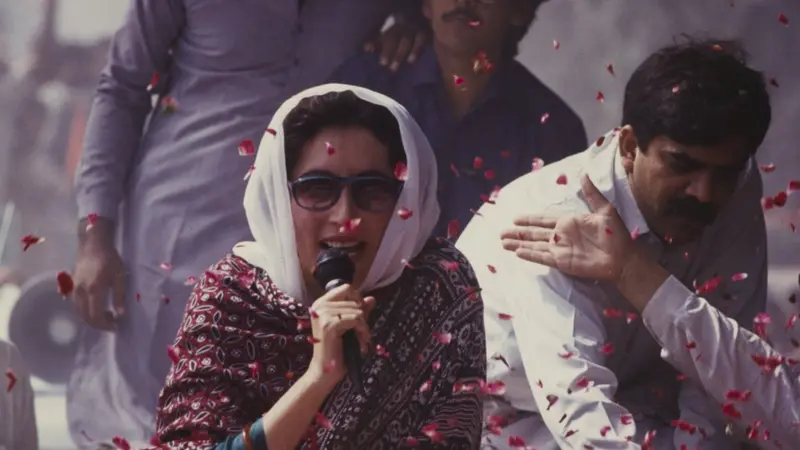
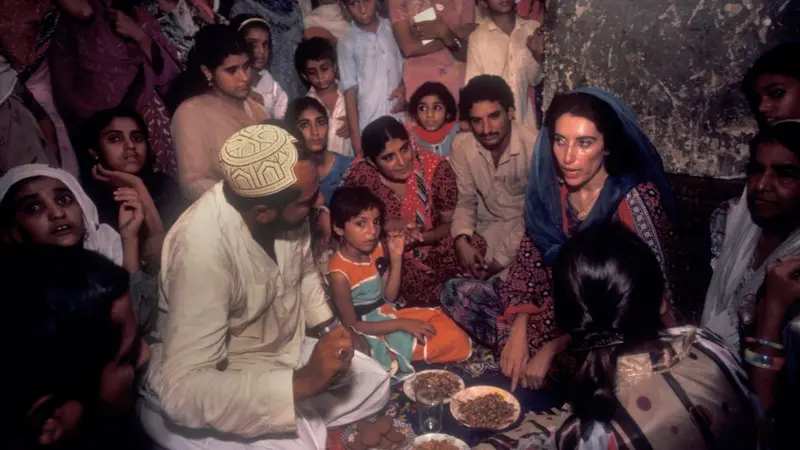
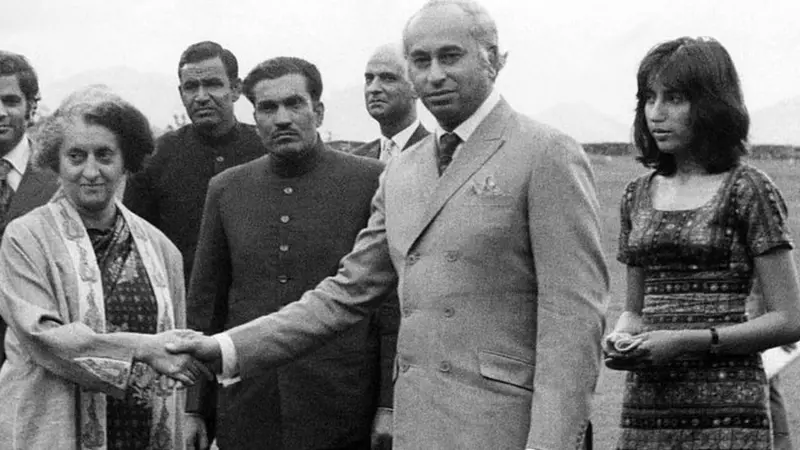
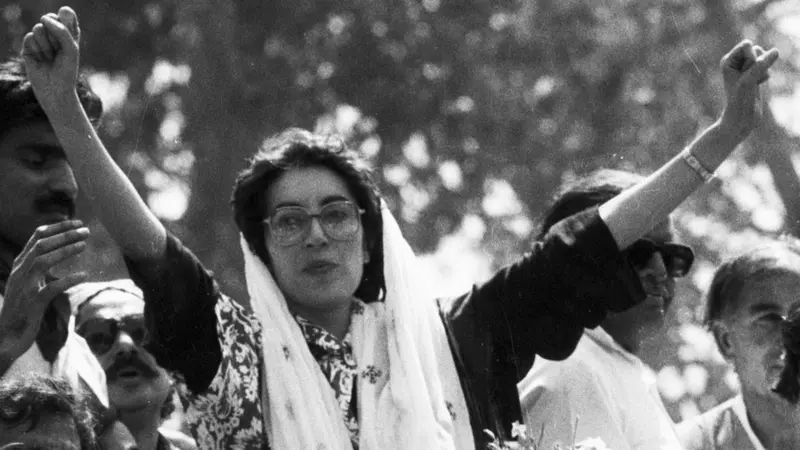
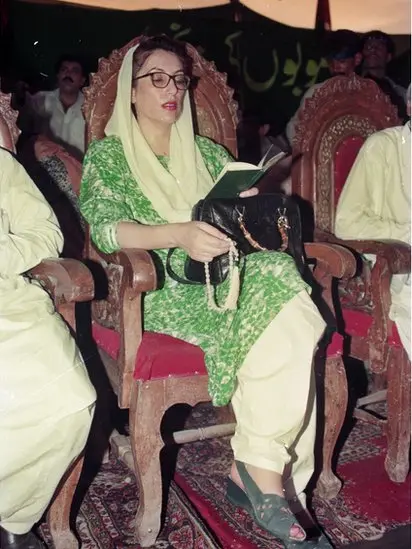
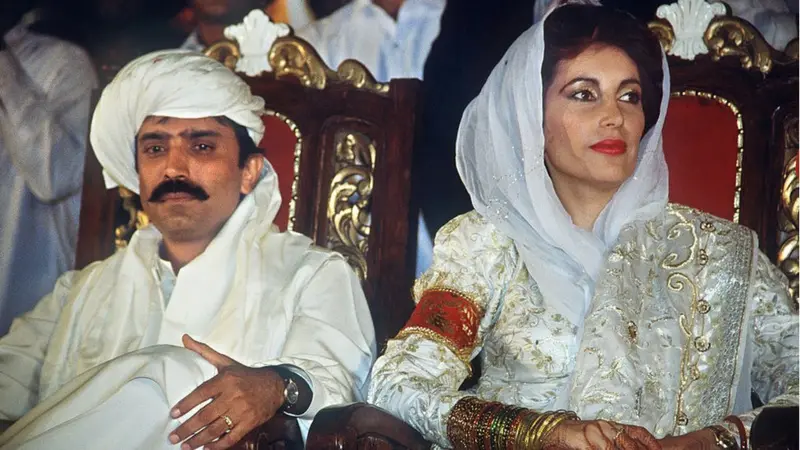
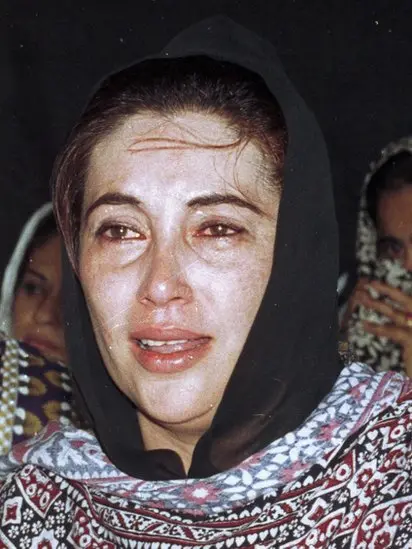
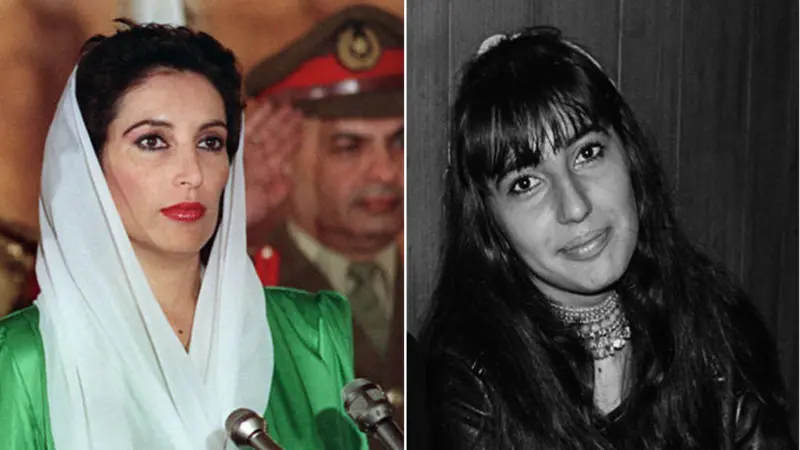
Benazir Bhutto: From 'Pinky' to Prime Minister

  • 0
  1. Ali1234 Researcher
    Added an answer on July 24, 2025 at 1:09 am

    Benazir Bhutto, affectionately known as "Pinky" in her youth, transformed from the privileged daughter of a political dynasty into the first woman to lead a democratic government in a Muslim-majority country, serving twice as Prime Minister of Pakistan. Her life was a testament to both remarkable acRead more

    Benazir Bhutto, affectionately known as “Pinky” in her youth, transformed from the privileged daughter of a political dynasty into the first woman to lead a democratic government in a Muslim-majority country, serving twice as Prime Minister of Pakistan. Her life was a testament to both remarkable achievement and profound tragedy.

    Early Life and the Origin of “Pinky”:

    Born on June 21, 1953, in Karachi, Pakistan, Benazir Bhutto was the eldest child of Zulfikar Ali Bhutto, a prominent politician who would later become Prime Minister of Pakistan. Her mother, Nusrat Bhutto, hailed from a wealthy Persian family. The nickname “Pinky” was given to her by her family because she was an “unusually pink baby.”

    Benazir’s upbringing was steeped in privilege and intellectual pursuits. She received her early education at Catholic schools in Pakistan before attending Radcliffe College at Harvard University, where she earned a B.A. cum laude in comparative government in 1973. She continued her studies at Oxford University, reading philosophy, political science, and economics, and famously became the first Asian woman to be elected president of the Oxford Union, a prestigious debating society. It was during her time at these esteemed institutions that her intellect and passion for political discourse began to flourish.

    The Political Awakening and Rise to Power:

    Her return to Pakistan in 1977 was quickly overshadowed by a military coup led by General Muhammad Zia-ul-Haq, who deposed and later executed her father in 1979. This devastating event propelled Benazir into the political spotlight. Along with her mother, she took charge of the Pakistan People’s Party (PPP), enduring frequent house arrest and periods of exile as she championed the restoration of democracy in Pakistan.

    After Zia-ul-Haq’s death in a plane crash in 1988, free elections were held. Benazir Bhutto led the PPP to victory, and on December 2, 1988, at the age of 35, she made history by becoming the 11th Prime Minister of Pakistan. She was a beacon of hope for many, both within Pakistan and globally, as a symbol of female leadership and democratic aspirations in the Muslim world.

    Tenure as Prime Minister and Challenges:

    Bhutto served two non-consecutive terms as Prime Minister: from 1988 to 1990 and again from 1993 to 1996. During her time in office, she focused on social programs, aiming to improve healthcare, education, and access to electricity, particularly in rural areas. She also worked on improving Pakistan’s foreign relations and attracting foreign investment.

    However, her premierships were marked by significant challenges, including a volatile relationship with the military establishment, political instability, and persistent allegations of corruption, which eventually led to her dismissals from office. Despite these setbacks, she remained a formidable figure in Pakistani politics, continuing to lead the PPP and advocate for democratic principles.

    Return to Pakistan and Tragic Assassination:

    After years of self-imposed exile, largely in London and Dubai, Benazir Bhutto returned to Pakistan in October 2007, following a deal with then-President Pervez Musharraf, with plans to participate in the upcoming general elections. Her return was met with a massive public outpouring of support but also with immediate danger. A suicide bomb attack on her motorcade in Karachi on the day of her return killed many of her supporters, though she narrowly escaped.

    Tragically, on December 27, 2007, while campaigning in Rawalpindi, Benazir Bhutto was assassinated. She was shot and a suicide bomb was detonated immediately after, claiming her life and those of many others. Her death sent shockwaves across Pakistan and the international community, highlighting the perilous nature of political life in the country.

    Benazir Bhutto’s journey from “Pinky,” the cherished daughter, to Prime Minister, the formidable leader, is a powerful narrative of ambition, resilience, and an unwavering commitment to democracy, tragically cut short. Her legacy continues to resonate in Pakistan and beyond as a symbol of courage and a pioneer for women in leadership. 

    See less
    • 0
    • Share
      Share
      • Share onFacebook
      • Share on Twitter
      • Share on LinkedIn
      • Share on WhatsApp
  • 1 Answer
Answer
  • 0
Ali1234Researcher
In: Iran, Israel, War

After a 12-day war between Israel, the US, and Iran, a ceasefire has been reached, raising the question of who is the real winner?

  • 0
  1. Ali1234 Researcher
    Added an answer on June 24, 2025 at 11:43 am

    The concept of a "winner" in a brief, intense conflict like the 12-day war between Israel, the US, and Iran is complex, as all parties tend to claim victory for different reasons, and the long-term consequences are still unfolding. However, we can analyze the stated gains and losses for each: IsraelRead more

    The concept of a “winner” in a brief, intense conflict like the 12-day war between Israel, the US, and Iran is complex, as all parties tend to claim victory for different reasons, and the long-term consequences are still unfolding. However, we can analyze the stated gains and losses for each:
    Israel’s Perspective:
    * Key Gain: The primary stated objective for Israel was to set back Iran’s nuclear and ballistic missile programs. Reports suggest significant damage to Iranian nuclear facilities and ballistic missile capabilities, with Israel claiming to have destroyed a large percentage of Iran’s long-range missile stock and achieved air superiority. The US directly joining the war and attacking Iran was also a long-standing goal for Israel.
    * Shift in Focus: The conflict may have temporarily shifted international attention away from Israel’s ongoing actions in the Gaza Strip.
    * Military Performance: Israel showcased its advanced air defense systems (Iron Dome, Arrow 2/3, David’s Sling), which reportedly intercepted a high percentage of incoming missiles, and demonstrated its air force’s ability to conduct extensive strikes deep into enemy territory without losing aircraft or pilots.
    * Losses/Challenges: While damage to Israeli infrastructure was limited due to its defense systems, some missiles did strike targets like an oil refinery and electrical facilities. The long-term impact on regional stability and the potential for future retaliation remains a concern.
    US’s Perspective:
    * Intervention and De-escalation: The US intervened by striking Iranian nuclear sites, aiming to curb Iran’s nuclear ambitions. President Trump then played a role in brokering the ceasefire, positioning the US as a “peacemaker.”
    * Show of Force: The US demonstrated its willingness to directly engage in the conflict to support its allies and address perceived threats from Iran.
    * Potential Gains for Iran: Ironically, the US attack on Al Udeid air base (following an early warning from Tehran that prevented US casualties) allowed Iran to showcase its military strength without suffering significant losses to its personnel.
    * Future Challenges: The conflict highlighted the fragility of regional peace and the potential for wider escalation. The US now faces the challenge of potentially bringing the US-Iran nuclear deal back to the table.
    Iran’s Perspective:
    * Retaliation and Show of Strength: Despite suffering damage to its nuclear sites and the assassination of nuclear scientists, Iran claims victory in punishing the “Zionist regime” by launching missile attacks against Israeli territory. It demonstrated its capability to strike back against powerful military forces.
    * Survival: Iran can claim it survived direct attacks from two major military powers and managed to retaliate, indicating its resilience.
    * Losses: The war inflicted significant damage on Iran’s nuclear program and military infrastructure, including ballistic missile factories and storage facilities. The assassination of a top military commander also represents a significant loss.
    * Long-term Implications: Iran’s nuclear program has been set back, and it may face increased international pressure regarding its nuclear activities and regional proxies.
    Overall Assessment:
    While all sides have claimed victory, the reality is more nuanced.
    * Israel arguably achieved significant military objectives in degrading Iran’s nuclear and missile capabilities and securing direct US involvement.
    * The US demonstrated its resolve and then successfully brokered a ceasefire, but the underlying tensions in the region remain.
    * Iran sustained damage but also showed its capacity for retaliation and its determination to resist.
    The ceasefire is widely considered fragile. The conflict has heightened instability in the Middle East, disrupted trade routes (like the Strait of Hormuz), and impacted global oil prices, highlighting the interconnectedness of regional conflicts and global stability. The long-term winner will depend on how the geopolitical landscape evolves, particularly regarding nuclear negotiations and regional power dynamics.

    See less
    • 0
    • Share
      Share
      • Share onFacebook
      • Share on Twitter
      • Share on LinkedIn
      • Share on WhatsApp
  • 1 Answer
Answer

Sidebar

[the_ad_group id="2732"]

[the_ad id="17089"]

Explore

  • Nuq4 Shop
  • Become a Member

Footer

Get answers to all your questions, big or small, on Nuq4.com. Our database is constantly growing, so you can always find the information you need.

Download Android App

© Copyright 2024, Nuq4.com

Legal

Terms and Conditions
Privacy Policy
Cookie Policy
DMCA Policy
Payment Rules
Refund Policy
Nuq4 Giveaway Terms and Conditions

Contact

Contact Us
Chat on Telegram
We use cookies to ensure that we give you the best experience on our website. If you continue to use this site we will assume that you are happy with it.