Sign In Sign In

Continue with Google
or use

Forgot Password?

Don't have account, Sign Up Here

Forgot Password Forgot Password

Lost your password? Please enter your email address. You will receive a link and will create a new password via email.

Have an account? Sign In Now

Sorry, you do not have permission to ask a question, You must login to ask a question.

Continue with Google
or use

Forgot Password?

Need An Account, Sign Up Here

Please briefly explain why you feel this question should be reported.

Please briefly explain why you feel this answer should be reported.

Please briefly explain why you feel this user should be reported.

Sign InSign Up

Nuq4

Nuq4 Logo Nuq4 Logo
Search
Ask A Question

Mobile menu

Close
Ask a Question
  • Nuq4 Shop
  • Become a Member
  • Recent Questions
  • Most Answered
  • No Answers
  • Most Visited
  • Most Voted

Nuq4 Latest Questions

  • 0
Ali1234Researcher
In: Pakistan, Sugar

How many sugar mills are there in Pakistan and who are their owners?

  • 0
  1. Ali1234 Researcher
    Added an answer on July 8, 2025 at 7:39 am

    According to the Trade Development Authority of Pakistan (TDAP) and other sources, there are approximately 89 functional sugar mills in Pakistan as of recent data. Of these: * 45 are in Punjab * 37 in Sindh * 7 in Khyber Pakhtunkhwa (KPK) It's challenging to provide a complete, exhaustive list of evRead more

    According to the Trade Development Authority of Pakistan (TDAP) and other sources, there are approximately 89 functional sugar mills in Pakistan as of recent data. Of these:
    * 45 are in Punjab
    * 37 in Sindh
    * 7 in Khyber Pakhtunkhwa (KPK)
    It’s challenging to provide a complete, exhaustive list of every single sugar mill and their current owners due to the dynamic nature of business ownership and the large number of individual mills. However, some of the prominent sugar groups and their associated mills, along with some individual large mills, include:
    Major Sugar Groups/Companies and some of their associated mills:
    * JDW Group: JDW Sugar Mills Ltd. (a major player with significant crushing capacity).
    * Almoiz Group: Al-Moiz Industries Ltd., Al-Moiz Sugar Mills Ltd.
    * Sharif Group of Companies: Ramzan Sugar Mills.
    * RYK Group: Rahim Yar Khan Sugar Mills Ltd.
    * Tandlianwala Sugar Mills Ltd. (TSML Group): Tandlianwala-I Sugar Mills Ltd., Tandlianwala-II Sugar Mills Ltd.
    * Al-Noor Group: Al-Noor Sugar Mills Ltd.
    * Fatima Group: Fatima Sugar Mills Ltd.
    * Premier Group: Premier Sugar Mills Ltd., Chashma Sugar Mills Ltd. (Units I & II).
    * Habib Group: Habib Sugar Mills Ltd.
    * The Thal Industries Corporation Ltd.: (Operates mills like Layyah and Safina).
    Other notable mills mentioned in various sources include:
    * Adam Sugar Mills Ltd.
    * Al-Abbas Sugar Mills Ltd.
    * Alliance Sugar Mills Ltd.
    * Army Welfare Sugar Mills Ltd.
    * Ashraf Sugar Mills Ltd.
    * Baba Farid Sugar Mills.
    * Bannu Sugar Mills Ltd.
    * Chanar Sugar Mills Ltd.
    * Chaudhry Sugar Mills Ltd.
    * Deharki Sugar Mills (Pvt) Ltd.
    * Digri Sugar Mills Ltd.
    * Etihad Sugar Mills Ltd.
    * Faran Sugar Mills Ltd.
    * Hunza Sugar Mills (Pvt) Limited.
    * Husein Sugar Mills Ltd.
    * Indus Sugar Mills Ltd.
    * Ittefaq Sugar Mills Ltd.
    * Jauharabad Sugar Mills Ltd.
    * JK Sugar Mill.
    * Kashmir Sugar Mills Ltd.
    * Khairpur Sugar Mills Ltd.
    * Khazana Sugar Mills (Pvt) Ltd.
    * Madina Sugar Mills Pvt. Ltd.
    * Macca Sugar Mills (Pvt) Limited.
    * Noon Sugar Mills Ltd.
    * Popular Sugar Mills Ltd.
    * Rasool Nawaz Sugar Mills (Pvt) Ltd.
    * Seven Star Sugar Mills.
    * Shahtaj Sugar Mills Ltd.
    * Sheikhhoo Sugar Mills Ltd.
    * Shakarganj Mills Ltd.
    * Tariq Corporation Limited.
    It is important to note that ownership can be complex, with some mills being publicly listed companies, others privately owned, and some belonging to larger industrial groups. For the most up-to-date and specific ownership information, one would typically need to consult company financial reports, Pakistan Stock Exchange listings (for publicly traded companies), or the Pakistan Sugar Mills Association (PSMA).

    See less
    • 0
    • Share
      Share
      • Share onFacebook
      • Share on Twitter
      • Share on LinkedIn
      • Share on WhatsApp
  • 1 Answer
Answer
  • 0
Ali1234Researcher
In: India, Pakistan

Z10ME: Pakistan Army's new Chinese-made combat helicopter being compared to India's 'American Apache'

  • 0
  1. Ali1234 Researcher
    Added an answer on August 6, 2025 at 11:39 pm

    Here's what’s happening with the Z-10ME, Pakistan Army’s new Chinese-made attack helicopter—sometimes dubbed Pakistan's answer to India’s Apache—and how it stacks up: What’s New with Pakistan’s Z-10ME? Official induction: On August 2, 2025, Chief of Army Staff Field Marshal Asim Munir presided overRead more

    defencesecurityasia.com/...

    Here’s what’s happening with the Z-10ME, Pakistan Army’s new Chinese-made attack helicopter—sometimes dubbed Pakistan’s answer to India’s Apache—and how it stacks up:


    What’s New with Pakistan’s Z-10ME?

    • Official induction: On August 2, 2025, Chief of Army Staff Field Marshal Asim Munir presided over the induction of the Z-10ME into the Pakistan Army, marking a strategic step in modernizing its aviation assets (Dawn).
    • Advanced features: The export-oriented Z-10ME is adapted for high-altitude, all-weather combat. It boasts powerful WZ-9G engines (~1,200 kW), infrared-suppressed exhaust, millimeter-wave radar, a 30 mm chain gun, six hardpoints, and compatibility with missiles (e.g., AKD-10, CM‑502KG), loitering munitions, drones, and even torpedo systems in some configurations (EURASIAN TIMES, Army Recognition, Peak Point, Suno News, thekhybermail.com, Indian Defence News, AInvest).
    • Strategic shift: With deals like the T‑129 failing due to export restrictions and limited access to Western suppliers, the Z-10ME marks Pakistan’s pivot toward China, aligning with a broader procurement trend from Beijing that now accounts for about 82% of imported military hardware (Army Recognition, Defence Security Asia, AInvest).
    • Regional impact: Analysts report that the Z-10ME could effectively plug the gap left by its aging AH‑1F Cobras and help balance India’s Apache advantage, especially in rugged border terrains along the LoC (Defence Security Asia, Indian Defence News, EURASIAN TIMES).

    Z-10ME vs. Apache – How Do They Compare?

    Feature Z-10ME AH‑64E Apache
    Avionics & Sensors Modern systems; millimeter-wave radar, electro-optical targeting, helmet-mounted displays (EURASIAN TIMES, Defence Security Asia, Indian Defence News) Longbow radar, advanced sensor suite, mature C2 interoperability
    Performance High-altitude optimized (~6,000 m ceiling), IR suppression, agile terrain maneuverability (EURASIAN TIMES, Indian Defence News, Army Recognition) Proven endurance and power; heavy payload; globally tested in wars
    Armament Portfolio 30 mm cannon, ATGMs (e.g., AKD‑10, CM‑502KG), air-to-air, loitering UAVs, rockets, torpedo options (Army Recognition, Peak Point) Hellfire missiles, 30 mm M230 cannon, rockets; interoperable armaments
    Survivability & Countermeasures DIRCM, composite armor, sand filters; cost-effective platform (Army Recognition, Indian Defence News) Highly battle-tested with advanced defenses; robust support systems
    Operational Familiarity New to regional forces, yet untested in combat zones (RESONANT NEWS – Resonates with Truth) Combat-proven across multiple theatres and nations
    • While the Apache remains a more mature and combat-proven system, the Z-10ME offers a competitively affordable, modern, and terrain-optimized solution tailored to Pakistan’s strategic environment.

    Final Thoughts

    The induction of the Z‑10ME reflects a significant evolution in Pakistan’s aerial warfare posture. By shifting towards a domestically streamlined Chinese ecosystem—from tanks to air defense and now rotary-wing aviation—Pakistan is better positioned for integrated battlefield operations, especially in high-altitude, contested environments.

    Though the Apache still holds technological and combat-proven advantages, the Z‑10ME narrows the gap in capability at lower cost, while aligning with Pakistan’s long-term strategic alliances.

    Let me know if you’d like to explore how this addition might shape future engagements along the LoC or influence helicopter modernization strategies in the region.


    See less
    • 0
    • Share
      Share
      • Share onFacebook
      • Share on Twitter
      • Share on LinkedIn
      • Share on WhatsApp
  • 2 Answers
Answer
  • 0
Ali1234Researcher
In: Pakistan, TikTok

Pakistan Are famous TikTok duo Aiman ​​and Mujtaba parting ways?

  • 0
  • 0 Answers
Answer
  • 0
Ali1234Researcher
In: Cricket, Pakistan

New Test cricket division: Which group will Pakistan be in?

  • 0
  1. Ali1234 Researcher
    Added an answer on July 22, 2025 at 1:33 pm

    The International Cricket Council (ICC) is actively exploring a two-tier Test cricket system, which, if implemented, would likely begin with the 2027-2029 World Test Championship (WTC) cycle. According to recent reports, Pakistan is likely to be placed in the second division of this proposed two-tieRead more

    The International Cricket Council (ICC) is actively exploring a two-tier Test cricket system, which, if implemented, would likely begin with the 2027-2029 World Test Championship (WTC) cycle.
    According to recent reports, Pakistan is likely to be placed in the second division of this proposed two-tier system.
    Here’s a breakdown of the proposed structure:
    * Two Divisions: The system would feature two divisions, each consisting of six teams.
    * First Division (Likely teams): South Africa, Australia, India, England, New Zealand, and Sri Lanka. These are generally considered the top-ranked sides.
    * Second Division (Likely teams): Pakistan, Bangladesh, West Indies, Afghanistan, Zimbabwe, and Ireland. The latter three (Afghanistan, Zimbabwe, and Ireland) are expected to be added to the expanded WTC format if this proposal goes through.
    This proposal is currently being reviewed by an eight-member working group formed by the ICC, with recommendations expected by the end of 2025. If approved, it would mark a significant change in Test cricket’s structure, including a promotion and relegation mechanism between the divisions.

    See less
    • 0
    • Share
      Share
      • Share onFacebook
      • Share on Twitter
      • Share on LinkedIn
      • Share on WhatsApp
  • 1 Answer
Answer
  • 0
Ali1234Researcher
In: Crypto Coin, Pakistan

Are solar panels going to become expensive in Pakistan?

  • 0
  1. Ali1234 Researcher
    Added an answer on June 11, 2025 at 5:17 pm

    It's a complex situation with conflicting factors influencing solar panel prices in Pakistan. Here's a breakdown: Factors that could make solar panels more expensive in Pakistan: * Proposed 18% Sales Tax on Imported Solar Panels: The most significant recent development is the Pakistani government'sRead more

    It’s a complex situation with conflicting factors influencing solar panel prices in Pakistan. Here’s a breakdown:
    Factors that could make solar panels more expensive in Pakistan:
    * Proposed 18% Sales Tax on Imported Solar Panels: The most significant recent development is the Pakistani government’s proposal in the Budget 2025-26 to impose an 18% sales tax on imported solar panels. This is explicitly aimed at promoting local industry, but it will directly increase the cost for consumers in the short term, as Pakistan heavily relies on imported panels.
    * Changes in Net Metering Policy: The government has revised net metering regulations, reducing the rate at which it buys back excess solar power from consumers (from Rs 27 to Rs 10 per unit). Additionally, the allowed solar capacity for consumers has been reduced. While this doesn’t directly increase panel cost, it reduces the financial incentive and payback period for solar installations, potentially making them less attractive and thus, in a broader sense, “more expensive” in terms of return on investment.
    * Economic Factors: General economic instability, currency fluctuations, and inflation in Pakistan can impact the cost of imported goods, including solar panels and associated equipment.
    Factors that could keep solar panel prices stable or even lead to decreases:
    * Global Price Trends: Globally, solar panel manufacturing has seen significant advancements and economies of scale, leading to a general downward trend in panel prices over the long term. Pakistan has greatly benefited from this, with a “sharp fall in solar panel prices” contributing to the recent solar boom.
    * Increased Local Manufacturing: The proposed 18% tax on imported panels is intended to boost local manufacturing. If local production scales up and becomes competitive, it could eventually lead to more stable or even lower prices domestically as reliance on imports decreases.
    * High Demand and Adoption: Pakistan is experiencing a “solar boom” with rapidly increasing adoption rates, driven by high conventional electricity prices. This high demand could encourage competition among suppliers and potentially lead to more competitive pricing, especially for locally manufactured goods if the industry matures.
    * Government’s Commitment to Renewable Energy: Despite recent policy changes, the Pakistani government has stated that promoting renewable energy remains a priority and aims for a significant portion of its electricity to come from renewable sources by 2030. This long-term commitment could lead to other supportive policies that offset the impact of the import tax or net metering changes.
    Current Situation and Outlook:
    As of June 2025, the proposed 18% sales tax on imported solar panels is a direct indication that prices are likely to increase. While global trends lean towards decreasing solar panel costs, the local tax policy will counteract that for imported panels. The impact on the overall cost of a solar system will also depend on the balance of system (BOS) costs (inverters, mounting, wiring, installation labor), which are also subject to local economic conditions.
    In conclusion, it is highly probable that solar panels will become more expensive in Pakistan in the short term due to the proposed 18% sales tax on imported panels. The long-term outlook will depend on the success of local manufacturing initiatives and whether other government policies emerge to support affordable solar adoption.

    See less
    • 0
    • Share
      Share
      • Share onFacebook
      • Share on Twitter
      • Share on LinkedIn
      • Share on WhatsApp
  • 1 Answer
Answer
  • 0
Ali1234Researcher
In: Pakistan

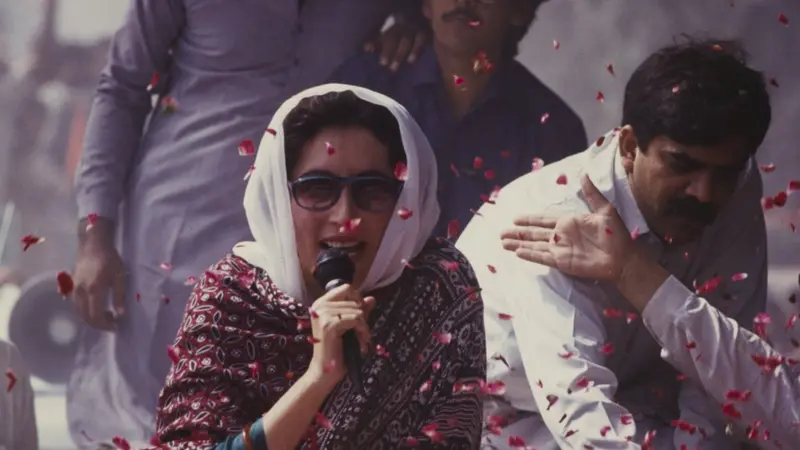
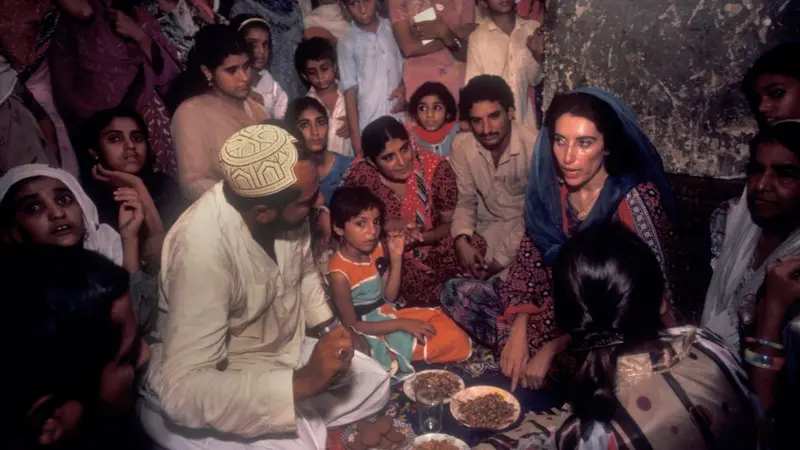
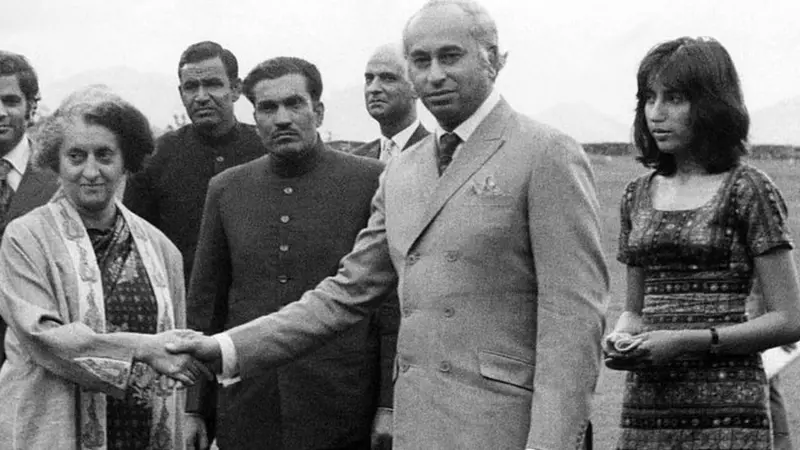
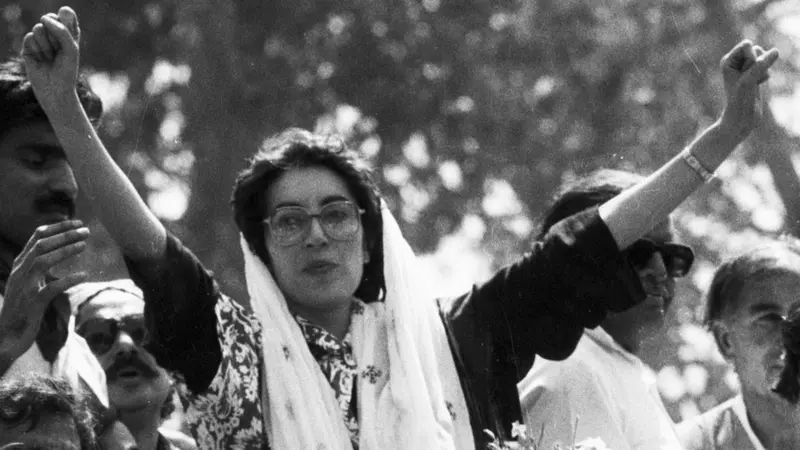
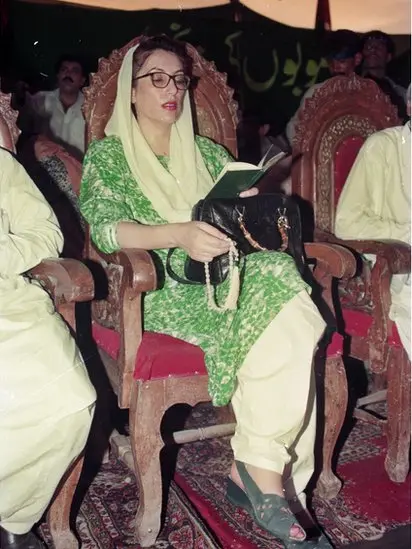
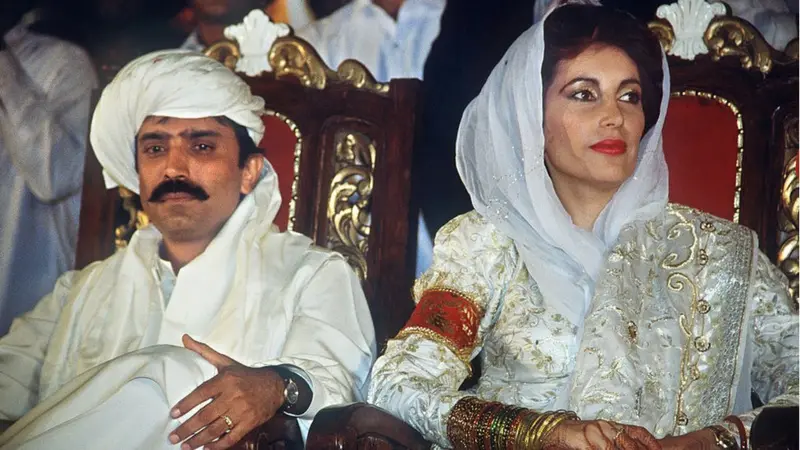
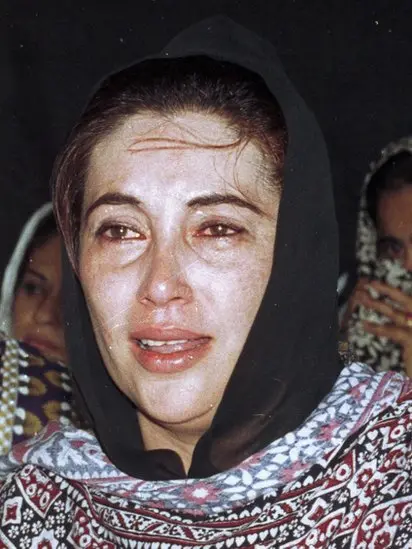
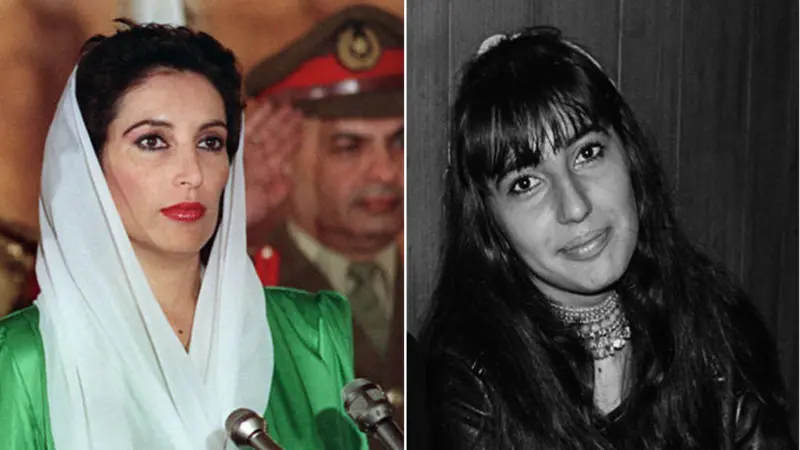
Benazir Bhutto: From 'Pinky' to Prime Minister

  • 0
  1. Ali1234 Researcher
    Added an answer on July 24, 2025 at 1:09 am

    Benazir Bhutto, affectionately known as "Pinky" in her youth, transformed from the privileged daughter of a political dynasty into the first woman to lead a democratic government in a Muslim-majority country, serving twice as Prime Minister of Pakistan. Her life was a testament to both remarkable acRead more

    Benazir Bhutto, affectionately known as “Pinky” in her youth, transformed from the privileged daughter of a political dynasty into the first woman to lead a democratic government in a Muslim-majority country, serving twice as Prime Minister of Pakistan. Her life was a testament to both remarkable achievement and profound tragedy.

    Early Life and the Origin of “Pinky”:

    Born on June 21, 1953, in Karachi, Pakistan, Benazir Bhutto was the eldest child of Zulfikar Ali Bhutto, a prominent politician who would later become Prime Minister of Pakistan. Her mother, Nusrat Bhutto, hailed from a wealthy Persian family. The nickname “Pinky” was given to her by her family because she was an “unusually pink baby.”

    Benazir’s upbringing was steeped in privilege and intellectual pursuits. She received her early education at Catholic schools in Pakistan before attending Radcliffe College at Harvard University, where she earned a B.A. cum laude in comparative government in 1973. She continued her studies at Oxford University, reading philosophy, political science, and economics, and famously became the first Asian woman to be elected president of the Oxford Union, a prestigious debating society. It was during her time at these esteemed institutions that her intellect and passion for political discourse began to flourish.

    The Political Awakening and Rise to Power:

    Her return to Pakistan in 1977 was quickly overshadowed by a military coup led by General Muhammad Zia-ul-Haq, who deposed and later executed her father in 1979. This devastating event propelled Benazir into the political spotlight. Along with her mother, she took charge of the Pakistan People’s Party (PPP), enduring frequent house arrest and periods of exile as she championed the restoration of democracy in Pakistan.

    After Zia-ul-Haq’s death in a plane crash in 1988, free elections were held. Benazir Bhutto led the PPP to victory, and on December 2, 1988, at the age of 35, she made history by becoming the 11th Prime Minister of Pakistan. She was a beacon of hope for many, both within Pakistan and globally, as a symbol of female leadership and democratic aspirations in the Muslim world.

    Tenure as Prime Minister and Challenges:

    Bhutto served two non-consecutive terms as Prime Minister: from 1988 to 1990 and again from 1993 to 1996. During her time in office, she focused on social programs, aiming to improve healthcare, education, and access to electricity, particularly in rural areas. She also worked on improving Pakistan’s foreign relations and attracting foreign investment.

    However, her premierships were marked by significant challenges, including a volatile relationship with the military establishment, political instability, and persistent allegations of corruption, which eventually led to her dismissals from office. Despite these setbacks, she remained a formidable figure in Pakistani politics, continuing to lead the PPP and advocate for democratic principles.

    Return to Pakistan and Tragic Assassination:

    After years of self-imposed exile, largely in London and Dubai, Benazir Bhutto returned to Pakistan in October 2007, following a deal with then-President Pervez Musharraf, with plans to participate in the upcoming general elections. Her return was met with a massive public outpouring of support but also with immediate danger. A suicide bomb attack on her motorcade in Karachi on the day of her return killed many of her supporters, though she narrowly escaped.

    Tragically, on December 27, 2007, while campaigning in Rawalpindi, Benazir Bhutto was assassinated. She was shot and a suicide bomb was detonated immediately after, claiming her life and those of many others. Her death sent shockwaves across Pakistan and the international community, highlighting the perilous nature of political life in the country.

    Benazir Bhutto’s journey from “Pinky,” the cherished daughter, to Prime Minister, the formidable leader, is a powerful narrative of ambition, resilience, and an unwavering commitment to democracy, tragically cut short. Her legacy continues to resonate in Pakistan and beyond as a symbol of courage and a pioneer for women in leadership. 

    See less
    • 0
    • Share
      Share
      • Share onFacebook
      • Share on Twitter
      • Share on LinkedIn
      • Share on WhatsApp
  • 1 Answer
Answer
  • 0
Ali1234Researcher
In: Iran, Israel, Pakistan, War

Iran-Israel war, what will be Pakistan's role?

  • 0
  • 0 Answers
Answer
  • 0
Ali1234Researcher
In: Pakistan

Normal gate pakistan price?

  • 0
  1. Ali1234 Researcher
    Added an answer on June 2, 2025 at 2:46 pm

    The price of a "normal" gate in Pakistan can vary significantly depending on several factors, including: * Material: Iron, steel, aluminum, and combinations of these (e.g., with glass, fiber, or CNC designs) are common. The type of metal and its gauge (thickness) will heavily influence the price. *Read more

    The price of a “normal” gate in Pakistan can vary significantly depending on several factors, including:
    * Material: Iron, steel, aluminum, and combinations of these (e.g., with glass, fiber, or CNC designs) are common. The type of metal and its gauge (thickness) will heavily influence the price.
    * Size: Larger gates naturally cost more due to increased material and labor.
    * Design and Intricacy: Simple, standard designs will be less expensive than custom-made, ornate, or CNC-cut gates.
    * Type of Gate:
    * Swing gates: Traditional opening gates.
    * Sliding gates: Often used for larger driveways or where space is limited.
    * Automatic/Motorized gates: These include the cost of the motor and installation, significantly increasing the price.
    * Finish: Powder coating, paint, or other rust-proof treatments will add to the cost.
    * Labor and Installation: Prices can differ between cities and individual fabricators/installers.
    * Market Fluctuations: Steel and other material prices can fluctuate, impacting the final cost.
    General Price Ranges (as of late 2024/early 2025 based on available data):
    It’s challenging to give a single “normal” price, but here’s a breakdown of what you might expect for residential gates in Pakistan:
    * Basic Iron Gates: You can find very simple iron gates starting from around PKR 7,500 to PKR 20,000. These are typically for smaller openings or very plain designs.
    * Standard Iron/Steel Gates: For a more typical residential main gate made of iron or steel, prices often range from PKR 35,000 to PKR 65,000.
    * More Elaborate or Larger Gates: If you’re looking for a larger gate, a gate with more intricate designs (like CNC cut patterns), or a gate with heavier gauge materials, the price can go up to PKR 100,000 or even higher. Some premium or very large custom-designed gates can even reach PKR 600,000 or more.
    * Aluminum Gates: Aluminum gates can be in a similar range to steel or higher, depending on the design and complexity, with some listings showing prices around US400 – US500 per set (which translates to approximately PKR 110,000 – PKR 140,000 at an exchange rate of ~PKR 278 to 1 USD).
    * Automatic Gate Systems: Adding an automatic motor and remote control system will significantly increase the overall cost, with automatic gate motors alone ranging from PKR 100,000 to PKR 150,000 or more, in addition to the gate’s cost.
    Where to look for prices:
    * Online Marketplaces: Websites like OLX Pakistan are good for getting an idea of current asking prices from various sellers and fabricators.
    * Local Fabricators/Welders: Visiting local workshops that specialize in metalwork will allow you to get quotes for custom designs and standard sizes.
    * Construction Material Suppliers: Some larger suppliers of construction materials may also offer pre-fabricated gates.
    To get an accurate price, it’s best to:
    * Determine your exact requirements: Measure the width and height of the opening.
    * Decide on the material: Iron, steel, aluminum, etc.
    * Choose a design style: Simple, modern, traditional, ornate, etc.
    * Contact multiple suppliers/fabricators for quotes and compare them.

    See less
    • 0
    • Share
      Share
      • Share onFacebook
      • Share on Twitter
      • Share on LinkedIn
      • Share on WhatsApp
  • 1 Answer
Answer
  • 0
Ali1234Researcher
In: Pakistan

Where does Pakistan's income end up?

  • 0
  • 0 Answers
Answer
  • 0
Ali1234Researcher
In: Election, Pakistan

Pakistan Election Commission decision; How many reserved seats of which party were restored?

  • 0
  1. Ali1234 Researcher
    Added an answer on July 2, 2025 at 2:01 pm

    The Election Commission of Pakistan (ECP) has not restored reserved seats to the Pakistan Tehreek-e-Insaf (PTI) or its allied party, the Sunni Ittehad Council (SIC). Instead, following a Supreme Court verdict, the ECP has distributed the reserved seats previously earmarked for the PTI/SIC to other pRead more

    The Election Commission of Pakistan (ECP) has not restored reserved seats to the Pakistan Tehreek-e-Insaf (PTI) or its allied party, the Sunni Ittehad Council (SIC). Instead, following a Supreme Court verdict, the ECP has distributed the reserved seats previously earmarked for the PTI/SIC to other political parties, primarily the ruling coalition.
    Here’s a breakdown of the recent developments:
    * Supreme Court’s Verdict (June 27, 2025): A 7-3 majority ruling by a Constitutional Bench of the Supreme Court overturned its own previous judgment (July 12, 2024) that had declared the PTI eligible for reserved seats. This new decision effectively stated that the PTI (or the SIC, which PTI-backed independents joined) was not entitled to reserved seats because of “non-curable legal defects and violation of a mandatory provision of submission of party list for reserved seats.” This decision essentially meant PTI was no longer considered a parliamentary party for the purpose of reserved seats.
    * ECP’s Decision (July 2, 2025): Following the Supreme Court’s verdict, the ECP proceeded to distribute the 77 reserved seats (for women and non-Muslims) in the National Assembly and provincial assemblies that were previously claimed by the SIC/PTI.
    * Distribution of Seats (National Assembly): According to legal experts, of the 22 reserved seats in the National Assembly, the distribution is as follows:
    * Pakistan Muslim League-Nawaz (PML-N): 15 seats
    * Pakistan Peoples Party (PPP): 4 seats
    * Jamiat Ulema-e-Islam (JUI-F): 3 seats
    * Distribution of Seats (Provincial Assemblies):
    * Khyber Pakhtunkhwa Assembly: 10 seats to JUI-F, 7 to PML-N, 6 to PPP, and one each to PTI-Parliamentarians and Awami National Party.
    This redistribution of reserved seats has significantly strengthened the ruling coalition, allowing them to achieve a two-thirds majority in the National Assembly.

    See less
    • 0
    • Share
      Share
      • Share onFacebook
      • Share on Twitter
      • Share on LinkedIn
      • Share on WhatsApp
  • 1 Answer
Answer

Sidebar

[the_ad_group id="2732"]

[the_ad id="17089"]

Explore

  • Nuq4 Shop
  • Become a Member

Footer

Get answers to all your questions, big or small, on Nuq4.com. Our database is constantly growing, so you can always find the information you need.

Download Android App

© Copyright 2024, Nuq4.com

Legal

Terms and Conditions
Privacy Policy
Cookie Policy
DMCA Policy
Payment Rules
Refund Policy
Nuq4 Giveaway Terms and Conditions

Contact

Contact Us
Chat on Telegram
We use cookies to ensure that we give you the best experience on our website. If you continue to use this site we will assume that you are happy with it.